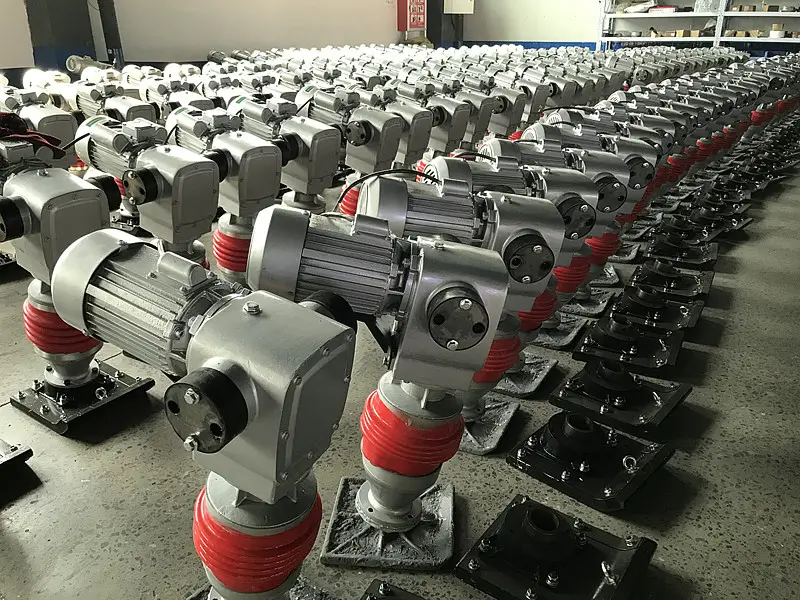
Impact rammers are essential compact construction machines for foundation tamping, trench backfilling and road repair, ideal for narrow and complex job sites. Improper operation and poor maintenance easily lead to equipment damage, safety risks and shorter service life.
This concise guide covers standard safety rules and practical maintenance tips for gasoline, diesel and electric impact rammers, helping operators work safely and dealers reduce after-sales costs.
Pre-Operation Safety Check
Perform full pre-operation inspections before startup to avoid on-site failures:
Body structure:Check frame, tamping foot, springs and damping blocks for cracks or looseness; fasten all loose bolts.
Power system:Check fuel leakage and oil level for fuel-powered rammers; inspect cables and waterproof performance for electric models to prevent electric leakage.
Working ground:Remove stones and debris on the site. Avoid working on uneven or ultra-hard ground to prevent structural damage.
Personal protection:Wear non-slip shoes, gloves and goggles; avoid loose clothes to prevent entanglement risks.
Standard Operation Safety Rules
Follow standard operating rules to ensure personal safety and stable machine performance:
No no-load startup:Never start the suspended rammer; no-load jumping damages springs and crankshafts.
Safe working range:Keep distance from staff; avoid working on loose soil and steep slopes to prevent collapse.
Avoid overworking:Stop for heat dissipation every 30–40 minutes, especially in high temperatures, to avoid engine overheating.
Standard shutdown:Shut down the machine only after it stably lands on flat ground; avoid sudden shutdown during operation.
Correct usage:Do not strike concrete, rocks or steel bars to avoid permanent damage to the tamping base.
Daily Maintenance Checklist (After Each Use)
Daily maintenance eliminates most common failures, lowering dealers’ after-sales costs effectively:
Clean the equipment:Remove soil and dust from the tamping foot and engine to prevent internal dust accumulation.
Maintain air filter:Clean or replace clogged filters to avoid insufficient power and high fuel consumption.
Check damping parts:Inspect springs and damping blocks for aging or deformation to avoid excessive vibration.
Fasten bolts:Retighten key bolts after each use, as vibration easily causes loosening.
Check lubricating oil:Regularly check oil level and quality, replace deteriorated oil timely.
Regular Periodic Maintenance
100-hour maintenance:Replace engine oil, clean fuel filter and spark plug, check crankshaft and connecting rod wear.
300-hour maintenance:Replace aging damping blocks, inspect spring performance and engine valve clearance, calibrate the whole machine.
Seasonal maintenance:Use low-temperature oil and drain residual fuel in winter; do waterproof and rust-proof treatment in rainy seasons.
Common Faults & Preventive Tips
Difficult startup:Caused by dirty spark plugs or blocked filters; regular cleaning solves the problem.
Weak compaction:Result from loose springs, blocked air intake or insufficient power; check key components regularly.
Excessive vibration:Mainly caused by loose bolts and aging damping rubber.
Storage & Transportation Safety
For long-term storage, place the cleaned machine on dry flat ground, drain excess fuel and cover it with a dust cover. During transportation, firmly fix the equipment to avoid collision and internal part damage.